Disruption Is Personal
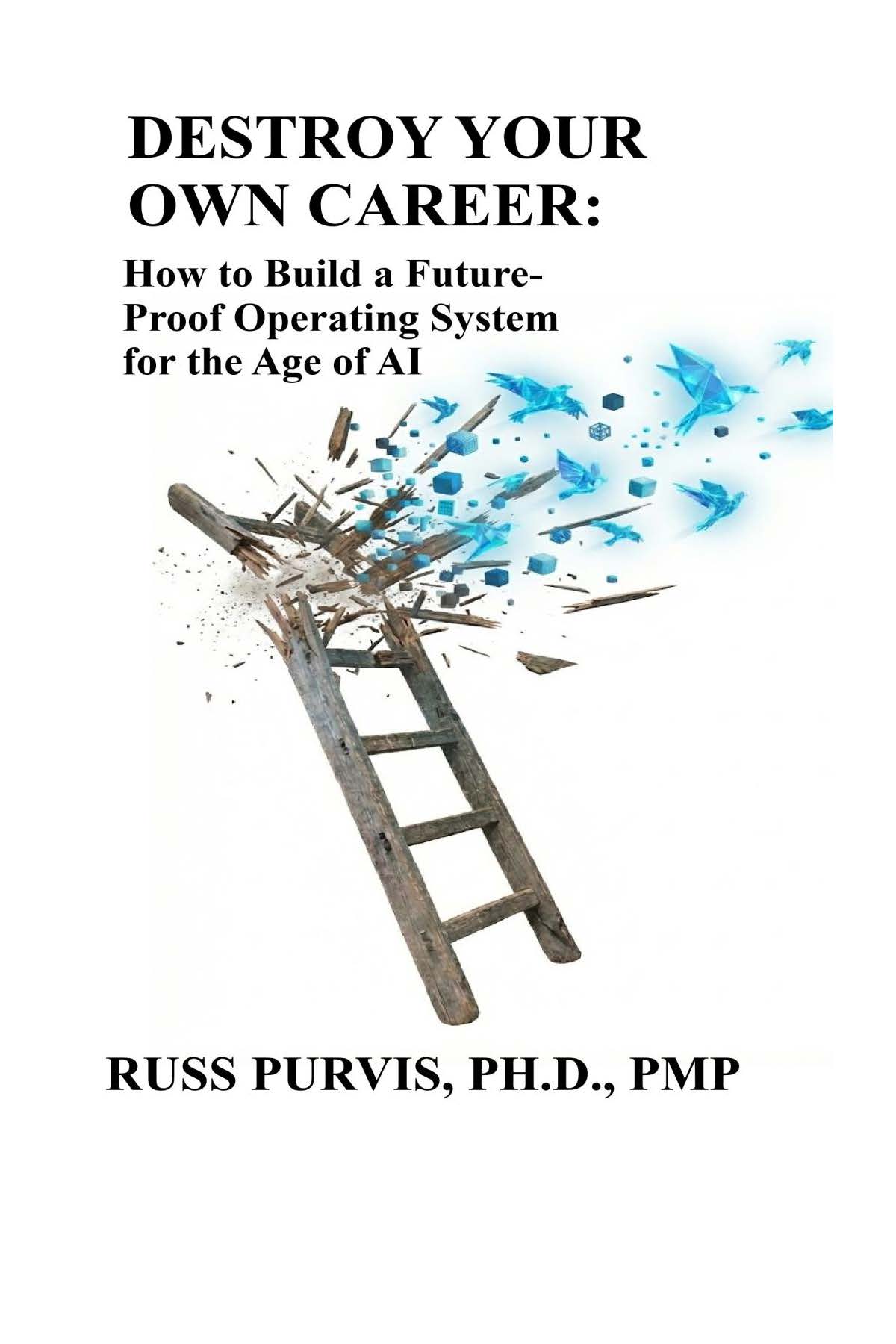
Clayton Christensen taught us that disruption rarely looks dangerous at first. It arrives quietly, improves rapidly, and eventually makes existing strengths irrelevant. Joseph Schumpeter referred to this process as creative destruction. This book applies those ideas at a different level—not to industries or firms, but to individual careers.
Disruption is no longer abstract. It manifests in daily routines, habits, and identities. Tasks that once signaled expertise are now automated. Skills that once felt permanent are suddenly optional. What protected your career yesterday may be the very thing that weakens it tomorrow.
I wrote this book after watching that erosion happen—among students, colleagues, executives, and myself.
When I first assigned the “Destroy Your Own Career” exercise to MBA students, I expected resistance. What I did not expect were the emotional reactions: fear, defensiveness, frustration, and then—if they persisted—clarity. Students who began by protecting old identities ended up redesigning how they worked. They didn’t just learn tools; they learned how to separate effort from value and
identity from tasks.
This book emerged from those experiments, combined with decades of work in project management, organizational theory, and professional development. The stories you’ll encounter are composites drawn from real experiences across industries. Their details differ, but the pattern is consistent: careers don’t collapse suddenly; they drift slowly, one unexamined habit at a time. AI is the accelerant of this moment, but it is not the core problem. The real challenge is psychological. Professionals struggle not because they lack intelligence or work ethic, but because they cling to identities that no longer fit the world they are operating in. This is not a book about learning tools. It is a book about redesigning how you create value—so your career evolves as fast as the environment around it.